How often dogs still need walks, how to adjust safely, and why consistency matters more than the weather
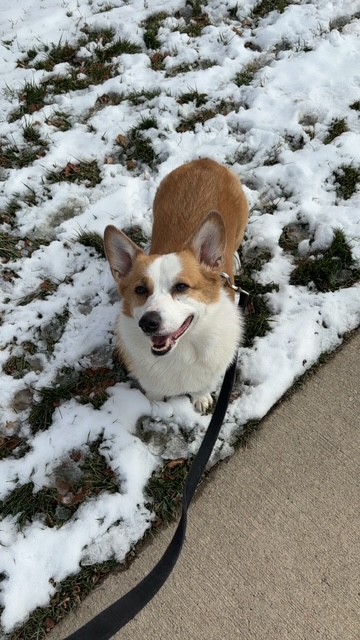
Winter has a way of making everything feel harder; cold mornings, shorter days, and less motivation to head outside. It’s common for dog owners to wonder whether walks are still necessary when the weather changes. The good news is that most dogs will still benefit from regular walks in winter, they just need a few thoughtful adjustments.
The general rule of thumb is most dogs still benefit from daily walks even in winter. The goal in winter isn’t perfection, it’s consistency. Dogs still benefit from walks even if they are shorter. Walks don’t just burn energy they help us and our dogs feel better. Physical movement releases endorphins that promote calmness and emotional stability, especially during routine changes like winter. That’s why even short walks are proven to be incredibly valuable.
Of course, how often a dog should be walked in winter isn’t one-size-fit-all. Factors like size, breed, age, energy level and weather tolerance all play a huge role. For example, a young high energy dog may still need daily movement, while a senior dog might benefit from shorter, more frequent outings. Paying attention to these factors and behavior can help guide those adjustments.
Some dogs handle cold weather with ease, while others are more sensitive to temperature, wind, or icy conditions. Watching for signs like hesitation, slowing down, lifting paws, or seeking warmth can signal when it’s time to shorten a walk or head home. These small observations make it easier to adjust routines without sacrificing consistency.
Adjusting walks in winter is often more about awareness than major changes. Shortening walk length while keeping a consistent routine helps dogs stay mentally balanced without overexposure to cold. Slower pacing, extra sniff breaks, and choosing familiar routes can make walks feel comfortable and purposeful even when conditions aren’t ideal.
Safety matters just as much as consistency. Watching for icy sidewalks, road salt, and cold sensitive paw pads can prevent discomfort or injury. Drying paws after walks and avoiding the coldest parts of the day can also help. When outdoor time needs to be limited, mental enrichment at home is also something that can support your dogs needs without adding stress.
Winter doesn’t have to mean giving up on walks or second guessing every decision. For most dogs, the routine itself matter more than the season. Consistent walks, even if they are shorter and adjusted, provide structure and a sense of balance. The goal isn’t to push through uncomfortable conditions or follow a perfect formula. It’s about paying attention, making small adjustments, and showing up in ways that support your dogs needs. When we approach winter walks with awareness and flexibility, we help our dogs stay happy, confident, and connected.
Treats and tail wags until next time!
 Fur Real Life
Leave a comment