• Why Continuity of Care Matters More Than Ever

    Because your pet deserves a medical home, not a revolving door.
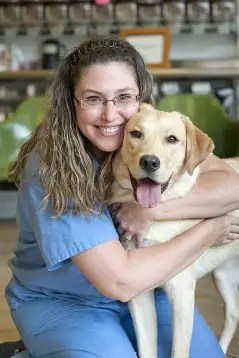
    There’s a quiet truth in veterinary medicine that doesn’t get talked about enough: continuity of care isn’t a luxury it’s the foundation of good medicine. As veterinary care shifts toward high‑volume, corporate systems, pet parents are discovering just how hard it’s becoming to find the kind of long‑term, relationship‑based care that genuinely supports their animals’ wellbeing.

    But here’s the thing: your pet’s health, comfort, and long‑term wellbeing depend on it more than ever.

    The Problem With Starting Over Every Visit

    When your pet sees a new doctor every time, the appointment becomes a transaction instead of a relationship. You spend half the visit retelling your pet’s history. The vet spends half the visit trying to piece together a puzzle they’ve never seen before. And your pet, who thrives on familiarity is left trying to trust a stranger in a room full of strange smells.

    It’s not that these veterinarians don’t care, they do. Many are deeply committed professionals doing their best within fast‑paced, high‑demand systems. But no meaningful medical relationship can be built in a single 15‑minute appointment once a year, especially when each visit begins with reintroductions. When continuity disappears, the core of veterinary medicine; the trusted relationship between doctor, pet, and family, begins to erode. That loss is felt by everyone in the room: the veterinarian who must reconstruct a complex history in minutes, the pet parent who carries the emotional and informational burden, and the animal who depends on familiar faces to feel safe. Continuity isn’t just a courtesy; it’s a critical component of effective, compassionate care.

    Why Continuity Changes Everything

    A veterinarian who knows your pet, truly knows them, can identify subtle changes long before they escalate into emergencies. They remember how your dog’s heart murmur sounded a year ago. They recognize that your cat’s “I’m fine” expression is a sign of stress. They understand your pet’s baseline, their quirks, their fears, and the nuances that only emerge through long‑term familiarity.

    Continuity of care creates a foundation for:

    • More accurate medical outcomes, because patterns aren’t missed
    • A calmer experience for your pet, thanks to familiar faces and routines
    • Less emotional labor for you, since you’re not starting from scratch every visit
    • A deeper sense of trust, built through consistent, ongoing relationships
    • More thoughtful, individualized recommendations, rather than one‑size‑fits‑all solutions

    This level of care can’t be rushed, rotated, or outsourced. It’s the product of stability, familiarity, and a veterinary team that grows with your pet over time, something that becomes increasingly rare in high‑volume, fast‑paced systems.

    The Emotional Side We Don’t Talk About Enough

    Pet parents don’t simply want a veterinarian; they want someone who understands their animal the way they do, as family. Continuity of care strengthens that bond in ways that extend far beyond medical records or treatment plans.

    It offers:

    • A veterinarian who remembers your pet’s name and history without pausing to check the chart
    • A technician who knows your dog needs a slow, gentle introduction before the exam even begins
    • A doctor who celebrates the milestones with you and stands beside you during the most difficult moments
    • A team that feels steady and familiar, more like an extension of your home than a rotating staff within a corporate system

    That sense of emotional safety matters. It shapes how confidently you advocate for your pet, how openly you communicate during appointments, and ultimately, how you feel when you walk out the door. Continuity doesn’t just enhance the medical experience, it elevates the entire relationship at the heart of veterinary care.

    Why Independent Clinics Often Excel Here

    Independent clinics aren’t perfect, but they are fundamentally built on relationships rather than quotas. Their teams tend to stay longer, creating a level of stability that’s increasingly rare in high‑volume systems. Many of their veterinarians either own the practice or have a direct stake in its culture, which means they prioritize long‑term trust over short‑term metrics. That commitment to continuity and connection naturally filters into every exam room, shaping the experience for both pets and their families.

    A Hopeful Reminder

    If your recent veterinary visits have felt rushed, impersonal, or fragmented, it’s not a reflection of you, or your pet. The industry is changing quickly, and many families are feeling the ripple effects of those shifts.

    But you can choose care that feels grounded and familiar.
    You can find a veterinarian who grows with your pet over time.
    You can prioritize continuity in a world that often pulls things apart.

    Your pet deserves a true medical home, not a new doctor every time they walk through the door.

    Treats and tail wags until next time!
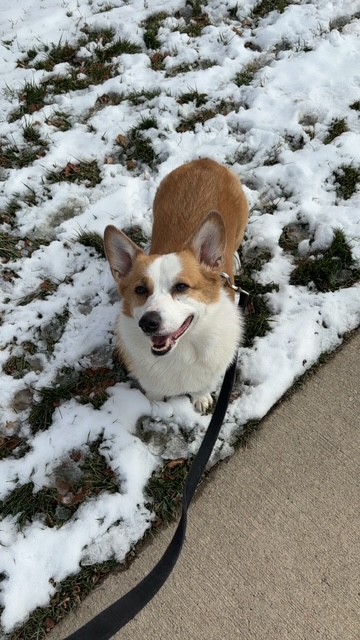
  • How often dogs still need walks, how to adjust safely, and why consistency matters more than the weather

    Winter has a way of making everything feel harder; cold mornings, shorter days, and less motivation to head outside. It’s common for dog owners to wonder whether walks are still necessary when the weather changes. The good news is that most dogs will still benefit from regular walks in winter, they just need a few thoughtful adjustments.

    The general rule of thumb is most dogs still benefit from daily walks even in winter. The goal in winter isn’t perfection, it’s consistency. Dogs still benefit from walks even if they are shorter. Walks don’t just burn energy they help us and our dogs feel better. Physical movement releases endorphins that promote calmness and emotional stability, especially during routine changes like winter. That’s why even short walks are proven to be incredibly valuable.

    Of course, how often a dog should be walked in winter isn’t one-size-fit-all. Factors like size, breed, age, energy level and weather tolerance all play a huge role. For example, a young high energy dog may still need daily movement, while a senior dog might benefit from shorter, more frequent outings. Paying attention to these factors and behavior can help guide those adjustments.

    Some dogs handle cold weather with ease, while others are more sensitive to temperature, wind, or icy conditions. Watching for signs like hesitation, slowing down, lifting paws, or seeking warmth can signal when it’s time to shorten a walk or head home. These small observations make it easier to adjust routines without sacrificing consistency.

    Adjusting walks in winter is often more about awareness than major changes. Shortening walk length while keeping a consistent routine helps dogs stay mentally balanced without overexposure to cold. Slower pacing, extra sniff breaks, and choosing familiar routes can make walks feel comfortable and purposeful even when conditions aren’t ideal.

    Safety matters just as much as consistency. Watching for icy sidewalks, road salt, and cold sensitive paw pads can prevent discomfort or injury. Drying paws after walks and avoiding the coldest parts of the day can also help. When outdoor time needs to be limited, mental enrichment at home is also something that can support your dogs needs without adding stress.

    Winter doesn’t have to mean giving up on walks or second guessing every decision. For most dogs, the routine itself matter more than the season. Consistent walks, even if they are shorter and adjusted, provide structure and a sense of balance. The goal isn’t to push through uncomfortable conditions or follow a perfect formula. It’s about paying attention, making small adjustments, and showing up in ways that support your dogs needs. When we approach winter walks with awareness and flexibility, we help our dogs stay happy, confident, and connected.

    Treats and tail wags until next time!

  • Excited tail wags and whimpers fill the house when I arrive to pick up dogs for their walks. Owners will smile and say, “ She must know it her walk time because….” and then describe the excitement they see in their furry friend. I love witnessing that moment because walks are often when dogs truly come out of their shells.

    Dog walks build confidence and structure in a dog’s life, which creates a safe environment for them to truly be themselves. During the first walk I have with a dog I let them take the lead a bit. When they are given that freedom, they sometimes pull more like letting a kid in a candy store. They are exploring independently but still under supervision.

    I let them sniff where they want within reason and by walk three or four I notice they pull far less. By walk two or three, many dogs begin looking back at me more frequently. That eye contact matters. Every time they check in, I give them a treat and tell them “yes”. By walk four they’re often doing it consistently and before they want to do something. That tells me trust is building.

    When dogs don’t get that structure, their energy sometimes redirects in other ways. If I don’t let a dog walk past a certain house, or greet another dog they may jump and or try to mouth at the leash ( like a child throwing a tantrum). That’s when I hear the most  “That’s crazy my dog has never bit anyone”. In these moments I reassure them its not aggression, it’s communication and its something we can work through. Dogs often behave differently with walkers than they do their owners, and that’s completely normal.

    Dog walks aren’t just walks, they are gateways into learning who your dog is. Just from a 30 minute dog walk I can gauge how fast your dog gets overstimulated, what your dogs triggers are, where the best potty spots are, and where their favorite treat boxes are. Dogs communicate consistently; most of the time, we just need to slow down and pay attention.

    Treats and tail wags,

    Karissa

  • By Rissa Berg

    Corporate-owned veterinary clinics are sweeping across the pet care world, fueled by private equity dollars and promises of streamlined efficiency. Yet behind the glossy branding and consolidated networks lies a deeper question: what happens to the warmth, affordability, and community trust that independent clinics have always provided?

    It almost seems like corporations own everything now, from neighborhood buyouts to independent businesses. Decades ago, people believed they offered stability, consistent schedules, reliable income and opportunities for growth. But what was sold as security often turned into control. The average person was promised consistency, yet many have found themselves caught in a system more focused on profit than people. When corporations struggle to prioritize human well-being, it raises a sobering question: If they have a lack of interest in suitable care for humanity, that dwindles down to the care for our animals.

    I really thought at one point I wanted to be in a vet clinic sometimes I still do. But what I have witnessed behind closed doors is so disheartening. I have seen incredible vet techs torn down by the doctors that are there to mentor them. I have watched doctors so overworked that surgeries take longer, not because of complexity, but because they’re forced to meet corporate imposed time limits. I’ve heard pet parents cry about not being able to afford care for their animals, only for the staff to mutter “people shouldn’t have pets if they cant afford them”.

    The veterinary world of today often lacks the empathy that it was built upon. What once was a profession rooted in compassion and community has, in too many cases, become another cog in the corporate machine, where profit margins overshadow the bond between humans and their pets.

    Independent veterinary clinics must make a stronger comeback because they are the soul of pet care. They are the places where your dog is greeted by name, where your cat’s quirks are remembered, and where compassion outweighs profit margins. In a world where corporations reduce care to numbers on a spreadsheet, independent clinics remind us that our pets are family not commodities. They carry the warmth of community, the empathy of caregivers who live among us, and the trust that comes from knowing your vet is invested in your pet’s life, not a shareholder’s bottom line.

    When we lose independent clinics, we lose more than just a business, we lose the heartbeat of veterinary medicine. We lose the gentle reassurance in a vet tech’s smile, the patience of a doctor who takes time to explain, and the comfort of knowing decisions are made for love, not for profit. Our pets deserve care rooted in compassion, dignity, and humanity. Supporting independent clinics isn’t just about preserving traditions, it’s about protecting the bond between people and their animals, a bond too sacred to be handed over to corporate interests.

    It’s time to stand with the clinics that see our pets as family, not as profit margins. Independent veterinary practices are the heartbeat of compassionate care, and they deserve our support. By choosing local vets, speaking up for their value, and reminding our communities why empathy matters, we can help them make the comeback our pets and pet parents so desperately need and deserve.

    Treats & Tail Wags Until Next Time

  • The secret language of joy, written in pawprints and puppy grins.

    As pet parents, we do more than feed, walk and care for our pets. We also listen with our hearts. We notice a lot of things about our pets from the soft sighs to the joyful wiggles. Somewhere in between the belly rubs and bedtime snuggles we have asked ourselves at least once, is my pet happy. This post is for every pet parent that has asked themselves that question and for every pet who’s answered it in their own quiet way.

    So how do our pets tell us they’re happy besides the tail wags and toy deliveries? It’s in the little things: the way they look at us, the way they move, the way they settle in close without a word. These everyday moments are love notes in disguise, quietly saying, ” I feel safe, I feel loved, I feel good”

    Here are a few sweet signs your dog (or cat) is feeling truly happy:

    Soft Eyes and Relaxed Ears

    Happy pets often have a gentle gaze and ears that rest naturally. No tension, no wide-eyed stares, just calm, cozy vibes. Whether it’s a dog melting into your lap or a cat blinking slowly from across the room, softness speaks volumes.

    coming up: watch a pup deliver a cute hello and a cat offering head bump of purfection

    The Wiggle Factor

    A loose wiggly body (especially when greeting you) is a classic sign of joy. Dogs may bounce or bring a toy; cats might rub up against your legs with a tail held high like a flag of affection.

    A sweet hello

    A purfect greeting

    Playfulness and Zoomies

    Spontaneous bursts of energy like zooming around the room, chasing a toy, or initiating play. These are all signs that a pet feels safe and excited. Dogs might do laps around the yard while cats might leap from couch to curtain in a joyful blur.

    Deep Peaceful Sleep

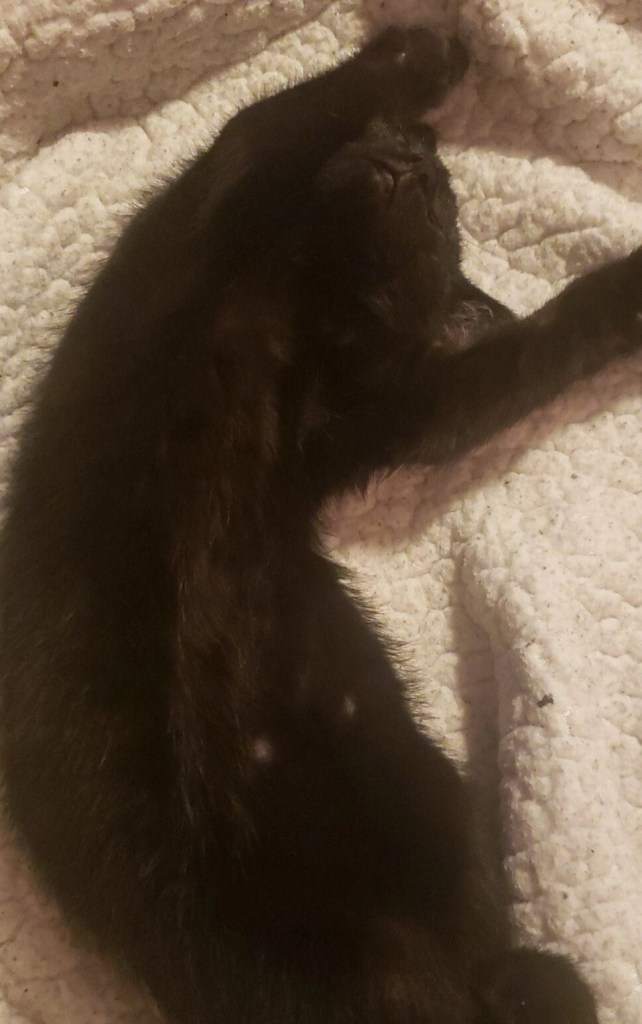
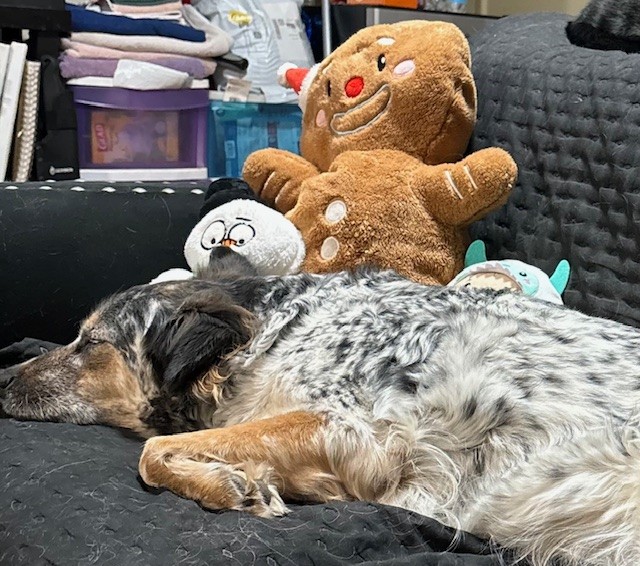
    Pets who sleep soundly and stretch out in comfy positions are usually relaxed and content. Curled-up sleep can mean comfort, while belly-up sleep (yes, even for cats) screams trust and safety.

    Seeking You Out

    A happy Pet wants to be near you not just for treats, but for companionship. Dogs may follow you from room to room (that means never going to the bathroom alone). Cats may quietly appear beside you, settle on your keyboard or nap in your laundry pile. They each have their own unique way of saying “you’re my person”.

    Whether you’re greeted with a squeaky toy or a gentle head bump, these little moments are more than cute. They are quiet celebrations of trust, joy, and the bond you’ve built. So the next time your dog wiggles or your cat curls up beside you, take it as their way of saying ” I’m happy here. I’m happy with you”.

    Thanks for being the kind of pet parent who listens with love. Your care makes all the difference.

    Treats and tail wags until next time!
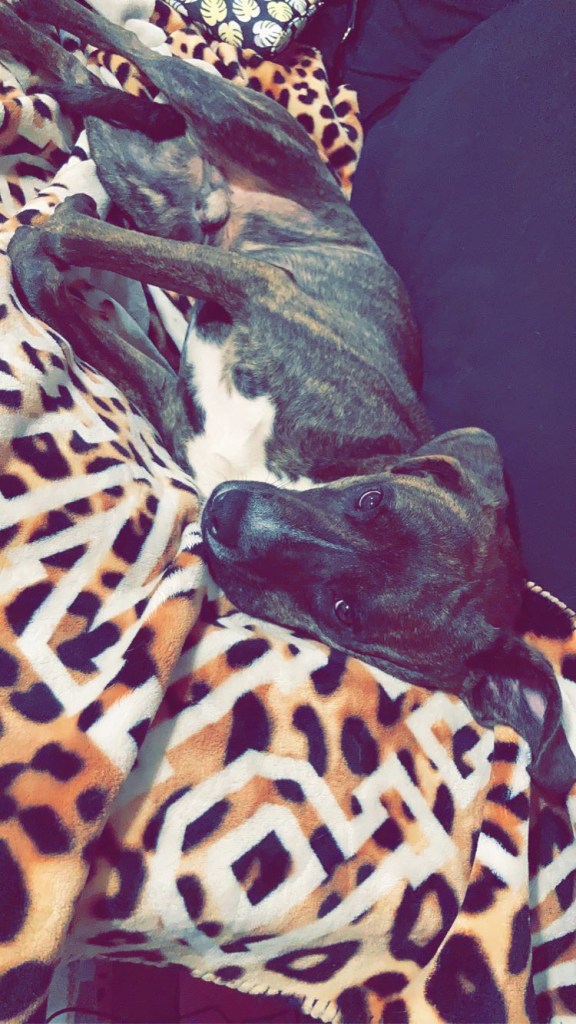
  • Sometimes “good girl” just isn’t enough

    Some love stories don’t need words. They’re told in tail wags, sleep sighs and in the way your dog leans into you like you’re home. This post is for the quiet moments, the ones where your dog knows your heart better than anyone. Whether they’re curled up beside you or waiting at the door, dogs have a way of making life feel softer, sweeter, and more whole. So today enjoy reading a letter dedicated to my dog Lexie.

    Dear Lexie,

    You don’t know this, but you’ve saved me more times than I can count. With your sweet demeanor, and your ability to sense when I need you most, you’ve turned my ordinary days into something softer, into something better.

    You wait for me like I’m the best part of your day. You celebrate me like I just won the lottery from walking in the door. Your there when I’m late, when I’m tired, when I forget to share the last bite yummy dinner.

    You are joy in the color of blue and silver. You shine through all my bad days. You are my reminder to pause, play, and be present (even when I’m not good at it). So, here’s my letter to you. Thank you for being my shadow, my sidekick, my heart on four paws. You are without question, the very best part of my day.

    Love always,

    Your favorite human 💛

    My dog may never read this, but she feels it, in my voice, my touch, my time.
    So write the note. Say the words. Let love be loud, even in the quiet moments.

    Want to share your own love note?
    Tag me or drop a line in the comments. Let’s fill this space with wagging tails and full hearts.

    Treats and Tail wags until next time!

  • I know when people first step into the world of pet parenting, one of the first things they hear about is crating. From my experience, it’s something pet parents dive into with tons of research, crate sizes, bedding, placement, you name it. They’ll excitedly show me their setup, proud and hopeful. I giggle every time, because your pup is about to surprise you in ways you didn’t expect… and personality quirks are just the beginning.

    Smudge is a high-energy sweetheart, and getting him crate trained took time, patience, and a whole lot of treats. His owner was incredibly kind, and I’m convinced her gentle nature helped shape his sweet demeanor. Like many pet parents (myself totally included), she started out by lining the crate with plush blankets and pillows. And like many dogs (mine totally included), Smudge shredded them to smithereens. It’s a rite of passage, really, the moment you realize your dog has strong opinions about interior design.

    Smudge still uses his kennel when needed and thankfully, he no longer feels the urge to redecorate. Back when he was shredding blankets like confetti, it wasn’t just about mischief. It was boredom, separation anxiety, and the simple fact that the crate didn’t feel like a place he wanted to be. We had to work through those layers before it became a space, he genuinely felt safe in.

    Every dog is different, and their crate setup should reflect that. Some pups crave a cozy den with low lighting and soft bedding. Others prefer open visibility and minimal fuss. If your dog isn’t vibing with the crate, it’s not a failure, it’s feedback. Emotional needs like boredom, anxiety, or overstimulation can show up as chewing, whining, or avoidance. Adjusting the space isn’t just about aesthetics; it’s about listening. When the crate feels safe, soothing, and tailored to your dog’s personality, it becomes more than a tool, it becomes a comfort zone.

    It’s also worth saying: some dogs take to crate training like it’s second nature. Others need time, patience, and a little creative problem-solving. There’s no one-size-fits-all timeline. What matters most is meeting your dog where they are, adjusting the setup, the routine, and your expectations to support their comfort and confidence.

    🐾 Crate Comfort Boosters

    Here are a few small tweaks that can make a big difference:

    • Swap fluff for function: Try fleece pads or chew-resistant mats instead of pillows.
    • Add a scent of you: A worn T-shirt can be surprisingly soothing.
    • Keep it open: Leave the door ajar, when possible, to build trust.
    • Watch the vibe: If your dog avoids the crate, try changing its location or lighting.

    The first time he went into the crate on his own and fell asleep, I didn’t say a word. I just watched, smiling, knowing we’d turned a corner — not with commands, but with comfort.

    Even the most playful pup needs a place to exhale.
    Here’s to cozy corners, quiet moments, and the kind of care that meets dogs where they are.

  • Hi there, and welcome!

    I’m a pet caregiver, enrichment enthusiast, and the heart behind Fur Real Life. This blog is a warm, wag-filled space for anyone who believes dogs deserve joy, creativity, and a little extra love in their everyday lives.

    Here you’ll find:

    • Enrichment tips
    • DIY Projects
    • Stories from pet sitting life
    • Community & Connection
    • Season series and themes

    Whether you’re a seasoned dog parent or just starting your journey, I hope this blog feels like a cozy chat with a friend who gets it. Let’s celebrate the real moments, the muddy paws, the quiet cuddles, and the joy of knowing your dog is truly thriving.

    Thanks for stopping by. I’m so glad you’re here.

    With love and treats